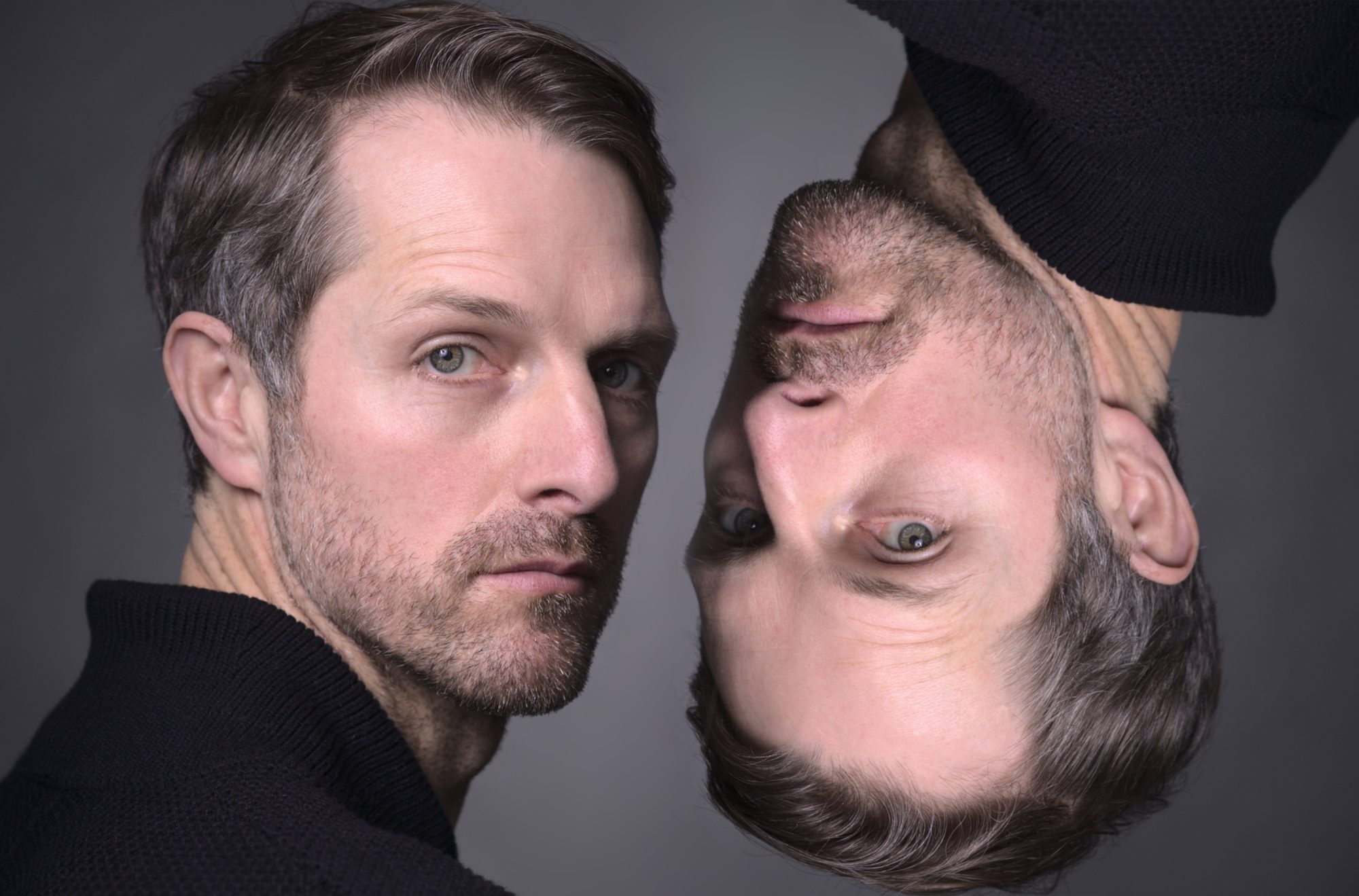
Ahem…fix it in post?

I found myself at Grand Central Recording Studios in London this week doing some ADR for an upcoming television show. Automated or Additional Dialogue Replacement is needed when the dialogue recorded during the shoot isn’t ‘clean’ – there might be distracting background noise, a corrupt audio file, a dodgy accent, etc. So, into the recording studio we go with the audio Wizards to make those ropey lines sound good and shiny.

Studio #9 at GCRS, London – a bit like being in a mini space launch control centre.

It’s an art form in itself to match a vocal performance at a time and place far removed from the day it was shot. Back then I was on a set, in costume, opposite other characters. Now I’m behind the glass of a silent booth, headphones on in front of a mic, watching my performance on a screen. And I’m watching very closely – the rhythm and tempo, the level of intensity, every pause and hesitation, each subtle movement of lips and breath – trying to match that performance perfectly and as naturally as possible.

It’s tricky. I can’t say I love it. I’m not the only one:

Watch Eddie Murphy at 0:56 – saving himself some studio time in Life, 1999.

This was by no means my first foray into ADR – I remember repeatedly roaring “Nutty!” at the very same GCRS facility years ago. I’ve done numerous sessions on other films – I’ll be back in the studio with Tin Hat Productions in a couple of weeks for their next feature film, Battle Over Britain. So, despite the technical hoop-jumping involved, ADR is an important part of film-making and worth learning to love. It’s also astounding what can be achieved – around 80% of the dialogue we did in Lancaster Skies was fixed in post production. It can also be pretty darn funny – Bad Lip Reading is a YouTube channel based entirely on this process. Warning: Star Wars will not be the same after viewing the following video:

Some well known voices here – can you guess who they belong to?

One man’s garbage…

To be a contender in this fierce business I have to do great work. Like most actors, however, I have in my back-catalogue a number of pretty shaky performances. Some of them lurk online or lie hidden on a forgotten tape, disc or hard-drive – waiting to be sniffed out.

(Scene practice from a Hi8 tape, 2009)

What does it cost me when someone uncovers my overacting in a student film, or that ropey accent on an audition tape, or the fight scene that looks more like a pair of amorous baboons? How do I stop these botch jobs setting me back? How am I supposed to hide this garbage?

How envious I am of those lucky few actors who, at the outset of their careers, by profound good fortune, are shot out of a canon to the top of the business, surrounded by an army of professionals who make them appear to have only ever possessed the seasoned skill of a Brando or Blanchett.

While they string together an untarnished catalogue of show-pieces, I’ve mostly worked with other creatives-in-development producing results that are, all too often, half-baked. And then I make the big mistake: I let these ‘half-baked’ attempts hold me back – I start to make comparisons, my insecurities rise and my confidence falls. Yes, if I want to improve I must be honest about my limitations, but it’s all too easy to forget the realities of fortune and favour in this uneven business and fall into the trap of thinking my limitations somehow make me inferior. My resources may be inferior, but my potential is certainly not.

Let’s face it – I am not surrounded by an army of professionals protecting my image. Even if I had been, the highs would come with inevitable lows (and if I’m being completely fair – some of those ‘lucky’ few actors shot out of the canon go splat).

So, what do I do with these bloopers, blunders and boo-boos?

The fact is that my progress as an actor, the good and the bad, is going to be on record. What other people think of it is also beyond my control. I can’t hide from these facts. So here’s the deal:

There is no such thing as a failure – only a result. And every result offers me a lesson – a nugget of knowledge that helps me grow better at my craft. The best acting I ever do will be thanks, in part, to my worst. One day, when my skill is undeniable, a catalogue of performances reaching all the way back to my fumbling beginnings will stand as proof of my commitment to my art and a never-ending drive to improve; a testament to humility and tenacity; and a beacon for all those actors out there, ashamed of their slips and trips in this tricky business, that we have nothing to hide.